Elite Horse Boarding Services: Training with Your Own Horse
- Erin Runde
- Jun 14
- 4 min read

Horse ownership is a rewarding experience, but it comes with its own set of challenges. One of the most significant aspects of owning a horse is finding the right boarding facility that meets both your needs and those of your horse. Elite horse boarding services offer a unique opportunity to train with your own horse in a supportive and well-equipped environment. In this blog post, we will explore the benefits of elite horse boarding services, what to look for in a facility, and how to maximize your training experience.
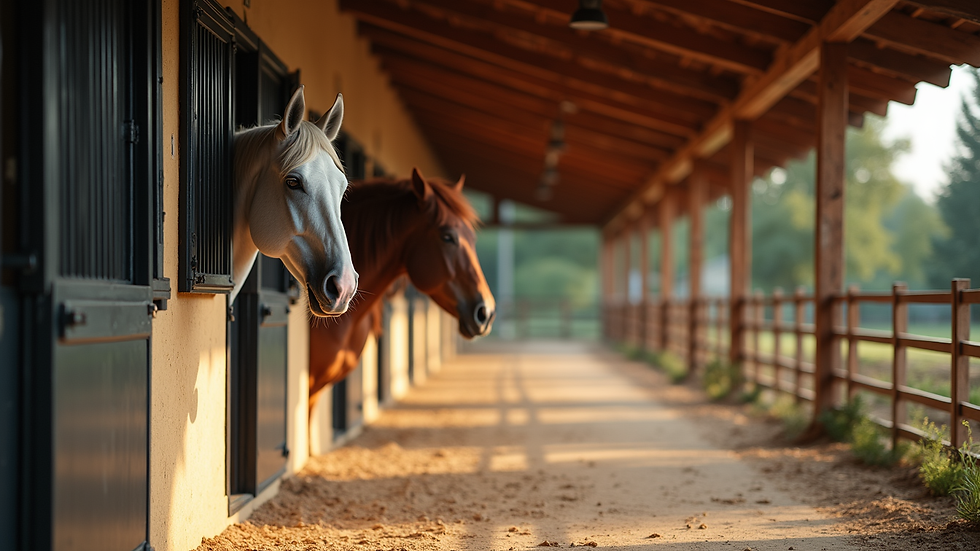
Understanding Elite Horse Boarding Services
Elite horse boarding services go beyond basic care. They provide a comprehensive package that includes:
Quality Care: Horses receive top-notch care, including regular feeding, grooming, and health monitoring.
Training Facilities: Access to arenas, round pens, and trails designed for various disciplines.
Expert Staff: Knowledgeable trainers and caretakers who can provide guidance and support.
Community: A network of fellow horse enthusiasts who share your passion.
These services are designed to create an environment where both horse and rider can thrive.
Benefits of Training with Your Own Horse
Training with your own horse offers several advantages:
Familiarity: Your horse is accustomed to your riding style and commands, making training more effective.
Bonding: Spending time together strengthens the bond between you and your horse, enhancing trust and communication.
Customized Training: You can tailor the training program to meet your horse's specific needs and goals.
Building a Stronger Partnership
When you train with your own horse, you have the opportunity to build a stronger partnership. This relationship is crucial for success in any equestrian discipline. Here are some tips to enhance your partnership:
Consistent Communication: Use clear cues and signals to communicate effectively with your horse.
Positive Reinforcement: Reward your horse for good behavior and progress to encourage a positive training atmosphere.
Regular Check-ins: Monitor your horse's physical and mental well-being to ensure they are happy and healthy.
What to Look for in an Elite Horse Boarding Facility
Choosing the right boarding facility is essential for your horse's well-being and your training success. Here are some key factors to consider:
Location and Accessibility
The facility should be conveniently located, allowing you to visit regularly. Consider the following:
Proximity to your home or workplace
Accessibility to major roads and highways
Availability of nearby trails or riding areas
Facilities and Amenities
Look for a facility that offers a range of amenities to support your training:
Stables: Clean, spacious stalls with proper ventilation and bedding.
Arenas: Indoor and outdoor arenas for year-round training.
Trails: Access to safe and scenic trails for hacking and conditioning.
Staff Qualifications
The expertise of the staff can significantly impact your training experience. Ensure that the facility employs:
Certified trainers with experience in your chosen discipline.
Knowledgeable caretakers who understand horse health and nutrition.
Support staff who are friendly and approachable.
Community and Culture
A positive community can enhance your experience at the boarding facility. Look for:
Opportunities for social interaction with other horse owners.
Regular events, clinics, or workshops to foster learning and growth.
A supportive atmosphere that encourages collaboration and camaraderie.
Training Techniques to Maximize Your Experience
Once you've chosen the right boarding facility, it's time to focus on training. Here are some effective techniques to maximize your experience:
Setting Clear Goals
Before you start training, establish clear, achievable goals for both you and your horse. Consider:
Short-term goals: Skills or maneuvers you want to improve in the next few weeks.
Long-term goals: Competitions or milestones you aim to achieve over the year.
Developing a Training Schedule
Consistency is key in horse training. Create a training schedule that includes:
Regular riding sessions: Aim for at least three to four times a week.
Groundwork: Incorporate groundwork exercises to improve communication and trust.
Rest days: Allow your horse time to recover and prevent burnout.
Seeking Professional Guidance
Even if you have experience, seeking guidance from a professional trainer can provide valuable insights. Consider:
Taking lessons to refine your skills and techniques.
Participating in clinics to learn from experts in your discipline.
Asking for feedback on your riding and training methods.
The Importance of Health and Nutrition
A well-rounded training program includes attention to your horse's health and nutrition. Here are some essential considerations:
Regular Veterinary Care
Ensure your horse receives regular veterinary check-ups, vaccinations, and dental care. This proactive approach helps prevent health issues that could hinder training.
Balanced Diet
Consult with an equine nutritionist to develop a balanced diet tailored to your horse's needs. Key components include:
High-quality hay and forage
Nutrient-rich grains or concentrates
Supplements as needed for specific health concerns
Hydration and Rest
Always provide fresh water and ensure your horse has access to shade and shelter. Adequate rest is also crucial for recovery and performance.
Creating a Positive Training Environment
The environment in which you train can significantly impact your horse's performance. Here are some tips for creating a positive atmosphere:
Minimize Distractions
Choose a quiet time for training when there are fewer distractions. This helps your horse focus and absorb the training.
Use Positive Reinforcement
Incorporate positive reinforcement techniques to encourage desired behaviors. This can include treats, praise, or a gentle pat.
Stay Patient and Flexible
Training can be unpredictable. Stay patient and be willing to adjust your approach based on your horse's needs and responses.
Engaging with the Equestrian Community
Being part of an equestrian community can enhance your experience and provide valuable support. Here are ways to engage:
Attend Events and Clinics
Participate in local horse shows, clinics, and workshops to learn from others and showcase your progress. These events can also provide networking opportunities.
Join Online Forums and Groups
Connect with fellow horse owners through online forums and social media groups. Sharing experiences and advice can be beneficial for your training journey.
Volunteer or Mentor
Consider volunteering at local equestrian events or mentoring new horse owners. Giving back to the community can be rewarding and help you grow as a rider.
Conclusion
Elite horse boarding services provide an excellent opportunity to train with your own horse in a supportive environment. By choosing the right facility, setting clear goals, and engaging with the equestrian community, you can maximize your training experience. Remember, the journey of horse ownership is not just about competition; it's about building a lasting partnership with your horse. Embrace the process, stay committed, and enjoy every moment spent together.


Comments